High tech. Low life. Deep cuts.
The future has a power problem.
The chrome is the easy bit. Follow cyberpunk through the systems you play, the cities you watch, the books that rewired the vocabulary and the aesthetics that escaped the screen.
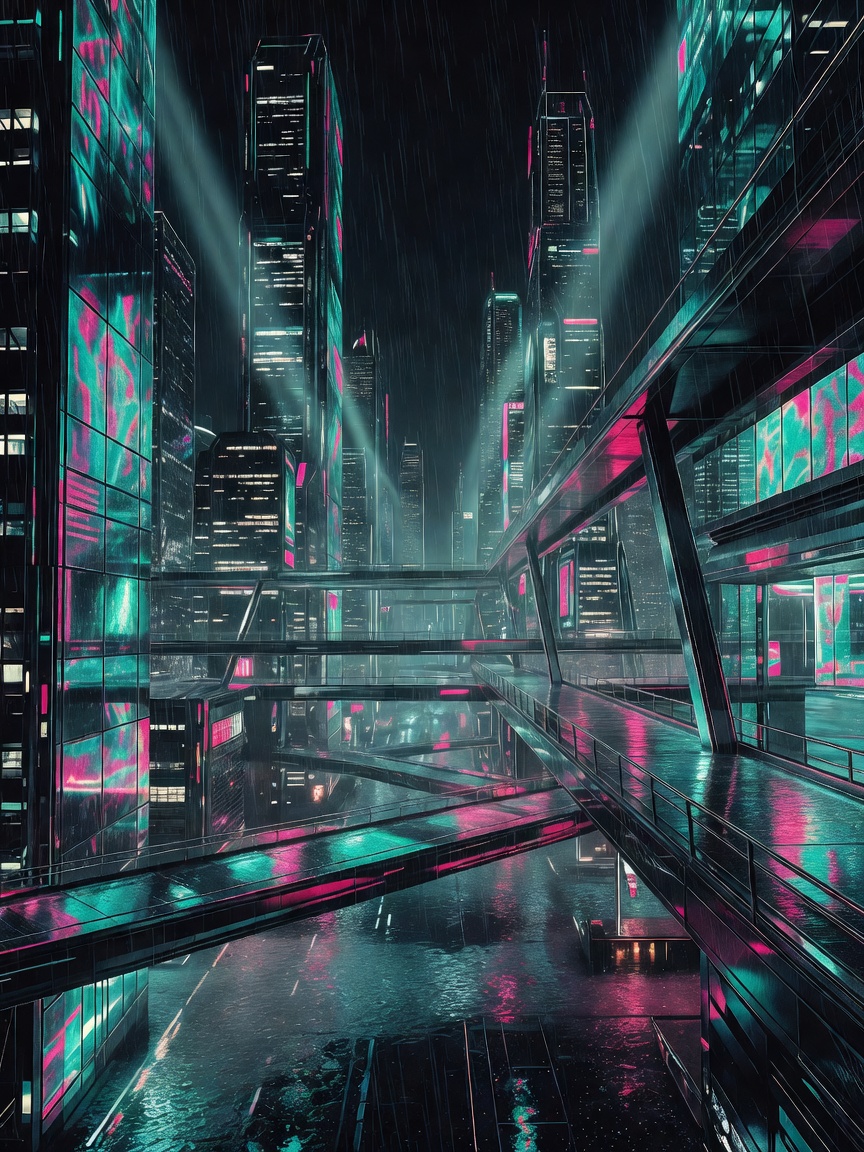
WHO GETS ADMIN ACCESS?
The vault / choose a thread
Different media.
Shared fault lines.
No league table. These routes separate mechanics, form and texture, so the next thing you pick actually scratches the right itch.
- 01 / INTERACTIVE SYSTEMS
Games that make the system tangible
Deus Ex treats architecture as an argument. Cyberpunk 2077 sells the mercenary fantasy while questioning the bill. Compare player agency, authored stories and the grind of surviving somebody else’s infrastructure.
Explore the games → - 02 / MOVING IMAGES
Film & anime, beyond the skyline
Blade Runner’s noir, Ghost in the Shell’s porous identities, Akira’s civic violence: similar shelves, very different machinery. Find the distinctions between atmosphere, political spectacle and networked unease.
Follow the screen language → - 03 / PRINTED CIRCUITS
Books with teeth beneath the chrome
Start with Gibson’s compressed street-level prose, then branch into satire, hacker communities and contested genre borders. Reading by texture beats treating every influential title as the same initiation rite.
Open the reading route → - 04 / MATERIAL & FREQUENCY
Style & sound without the costume shortcut
Technical clothing is not automatically techwear; synthwave is not automatically cyberpunk. Build a sharper eye and ear for silhouette, worn infrastructure, industrial rhythm and the space between the beats.
Decode the aesthetic → - 05 / UNDERLYING STRUCTURES
Corporations, bodies & compromised rebellion
Who owns the implant? Who can refuse the upgrade? Read AI, surveillance and privatised cities as arrangements of power rather than a checklist of futuristic props.
Trace the power structures →
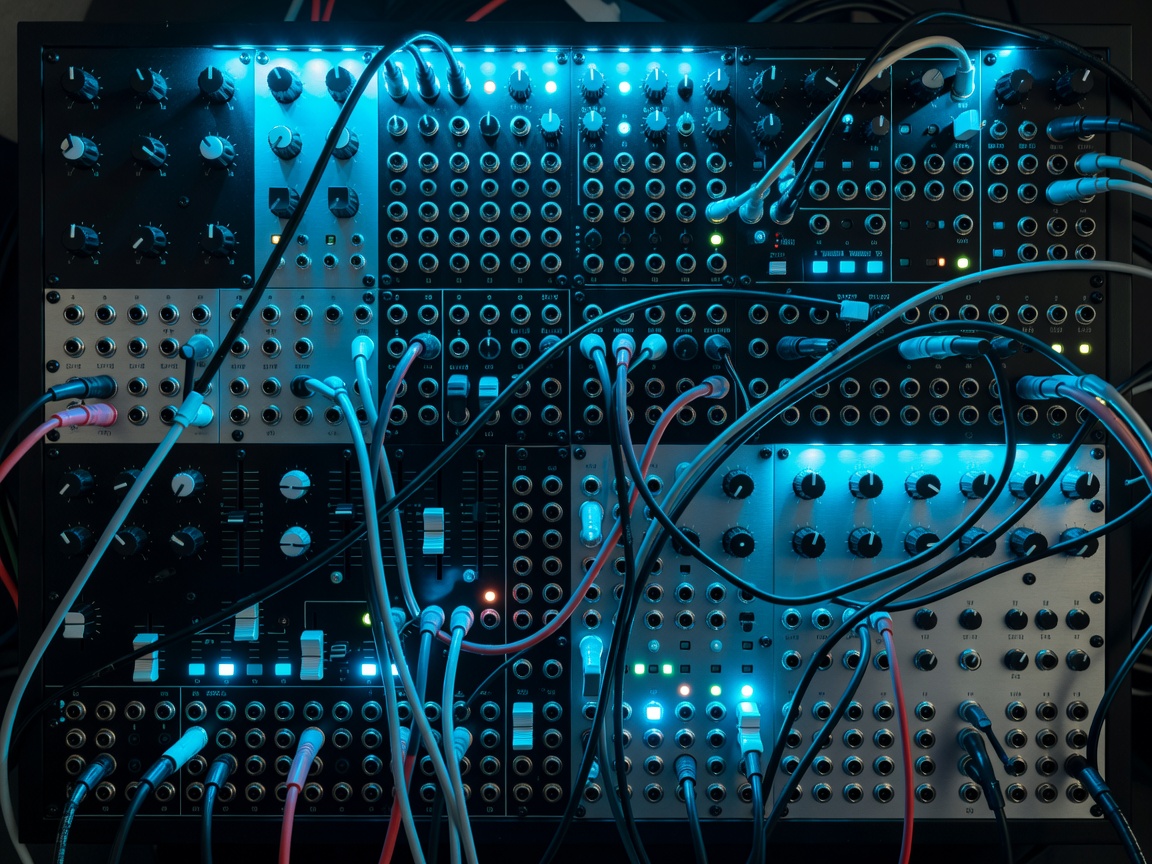
A useful distinction
Neon is a palette.
Cyberpunk is a tension.
A beautiful skyline can carry a thoroughly conventional story. A spare room, a compromised terminal and an employer who owns your body can carry cyberpunk without a single pink sign.
Keep the aesthetic and the argument in view together. The strongest comparisons ask how the look serves the world: whether an interface grants agency, a street makes inequality visible, or a soundtrack lets the machinery drown out the person.
Read the ownership question ↗