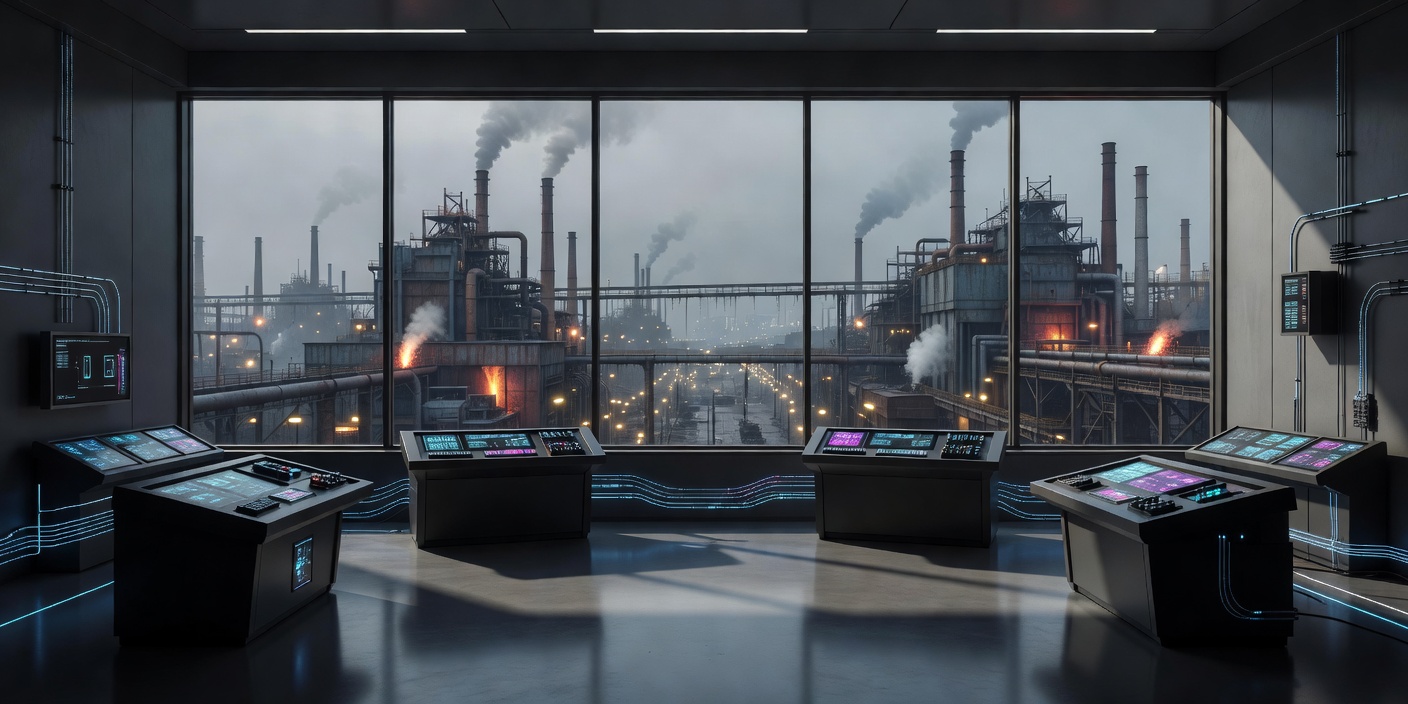
Deus Ex: the route is part of the argument
Deus Ex makes a strong reference point because its spaces invite competing approaches. A locked entrance can prompt hacking, exploration, conversation or force. That is more interesting than simply counting endings: the immediate environment responds to the capabilities you have invested in, and those investments close some possibilities while opening others.
Separate systemic freedom from narrative freedom. Finding an unexpected way through a security perimeter does not mean the entire plot becomes yours to rewrite. The pleasure lies in the overlap between authored situations and tools with reusable behaviours. If you like testing whether a world honours its own rules, that distinction matters more than the size of its map.
Night City: embodiment before abstraction
Cyberpunk 2077 leans into the friction between a customisable mercenary and an authored protagonist. Combat builds, cyberware and movement shape how V handles encounters, while the central story keeps returning to bodily autonomy and a threatened identity. The city’s scale supports spectacle and wandering; its narrative pressure is much more intimate.
Choose it for character-driven quests, first-person embodiment and the collision between commercial imagery and street-level vulnerability. Do not equate a dense skyline with universal simulation. Much of the city functions as setting rather than a fully negotiable social system. Hardware requirements, accessibility options and platform support should be checked through the official game site before making a purchase decision.
When the infrastructure becomes the antagonist
System Shock exchanges urban sprawl for an enclosed station and a hostile intelligence. Its cyberpunk relevance comes from corporate experimentation, bodily alteration and an environment whose systems have turned against its inhabitants. Horror changes the relationship with technology: the next upgrade or access point can feel less like empowerment than another dependency.
Shadowrun: Dragonfall offers a different compromise. Turn-based encounters and party roles make decisions legible, while dialogue and a neighbourhood-centred story create stakes beyond an anonymous contract. Its elves, dragons and magic make it a deliberate cyberpunk–fantasy hybrid, not a purist substitute for Gibson. Pick it for tactical positioning and ensemble relationships rather than first-person improvisation.
Working in the city, not saving it
Cloudpunk shifts attention towards delivery work, navigation and conversations across a vertically layered metropolis. Its voxel city is a reason to linger, but the significant perspective is occupational: the city reaches you through jobs and encounters. It suits players seeking urban atmosphere without making combat the organising principle.
Citizen Sleeper takes a more abstract route. Dice allocation, clocks and resource pressures turn precarious existence into decisions about what can wait and what cannot. Its space-station setting does not dilute the cyberpunk concerns: a manufactured body, corporate claims and fragile mutual support put ownership at the centre. Expect reading and constrained choices rather than action-game mastery.
Choose the kind of friction you enjoy
For improvisation, look at how tools interact with environments. For narrative, distinguish a strongly written protagonist from a blank-slate role. For atmosphere, consider whether traversal is pleasurable in itself. For survival stories, ask whether scarcity produces interesting priorities or simply the kind of pressure you would rather leave outside your leisure time.
Also separate subject matter from comfort. Body horror, exploitation and violence are not equally foregrounded across these games. Consult the relevant platform listing and official accessibility information for the particular edition you intend to use. A cyberpunk shelf is a thematic connection, not a promise of equivalent controls, pacing or content.
The strongest pairing may be contrast rather than escalation: an immersive sim beside a text-led survival game reveals how differently the same corporate world can distribute agency. More freedom is not always the more incisive argument.